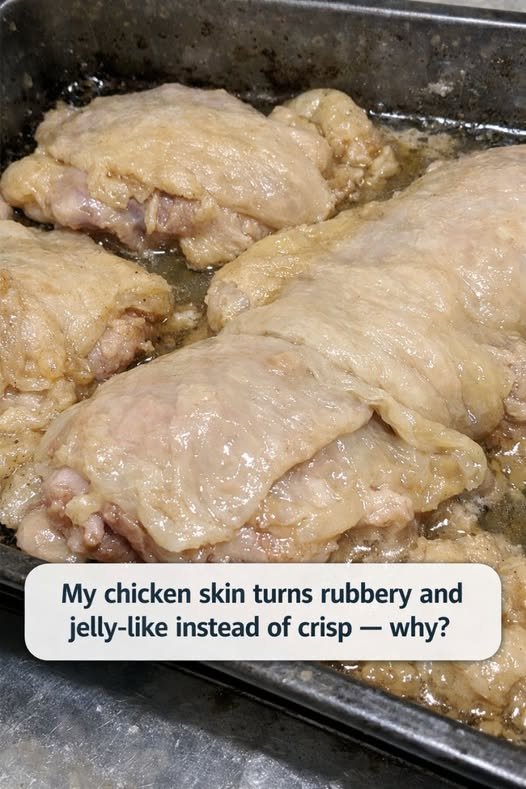
5. You’re Using the Wrong Fat — or Not Enough of It
The type and amount of fat used in cooking can influence the crispiness of chicken skin. Opt for fats with a high smoke point, such as vegetable oil, canola oil, or clarified butter, which can withstand high heat without burning.
Ensure that the skin is lightly coated with oil to promote even browning. Too little fat can lead to uneven cooking, while too much can result in greasy skin. A thin, even layer is ideal for supporting crispiness.
6. You’re Cooking at Low Heat for Too Long
Low cooking temperatures can cause the chicken skin to become rubbery as it cooks slowly without rendering the fat. For maximum crispiness, start with a higher temperature to render fat quickly and develop color, then lower the heat if needed to finish cooking without burning.
A good technique is to sear the chicken skin-side down in a hot skillet until golden, then transfer to a preheated oven to finish cooking through. This combination method offers the best of both worlds: a crisp exterior and juicy interior.
7. You’re Adding Sauces and Marinades at the Wrong Time
Marinades and sauces can add flavor but also introduce moisture, which is detrimental to crispy skin. Avoid applying sauces or marinades directly to the skin before or during the initial cooking stages. Instead, add them towards the end of cooking or serve them on the side.
If marinating beforehand, ensure the skin is thoroughly dried before cooking to prevent steaming. Consider brushing on sauces during the last few minutes in the oven or on the grill to allow flavors to develop without sacrificing texture.
8. You’re Flipping, Basting, or Moving the Chicken Too Often
Frequent movement disrupts the cooking process and prevents the skin from developing a uniform crust. Allow the chicken to cook undisturbed for several minutes before flipping or basting. This is especially important when pan-searing, where leaving the chicken skin-side down creates a crisp coating.
Resist the temptation to constantly check or rearrange the chicken. Trust the process and let the heat do its work, flipping only once if necessary to cook the other side.
9. You’re Choosing Cuts and Techniques That Fight Crispiness
Different cuts of chicken have varying amounts of skin and fat, which can influence the outcome. Bone-in, skin-on thighs and drumsticks are often better for achieving crisp skin due to their higher fat content, compared to leaner cuts like breasts.
Consider your cooking method, too. Techniques like roasting and grilling promote better browning and crispiness than methods like poaching or slow cooking. Choose the right cut and technique based on your desired outcome.
10. You’re Resting, Covering, or Storing It in a Way That Softens Skin
Once cooked, how you handle the chicken can affect the crispiness of the skin. Resting the chicken is important for juiciness, but covering it with foil traps steam and softens the skin. Instead, let the chicken rest uncovered on a wire rack to maintain airflow.
When storing leftovers, avoid sealing them in airtight containers while still warm, as this can create condensation. Allow the chicken to cool completely before storing, and consider reheating in a hot oven to revive crispiness.
11. Foolproof Habits That Practically Guarantee Shatter-Crisp Skin
To consistently achieve crispy chicken skin, adopt habits such as thorough drying, proper salting, and using the right cooking fats. Maintain high heat during initial cooking stages, and avoid overcrowding the cooking space.
Invest in a good quality instant-read thermometer to ensure your chicken is cooked to the perfect internal temperature of 165°F (74°C) without overcooking. With these practices, you can enjoy deliciously crispy chicken every time.
For Complete Cooking STEPS Please Head On Over To Next Page Or Open button (>)
Genius Laundry Hack: Why Putting an Empty Plastic Bottle in Your Washing Machine Can Save Time and Hassle

Every washing machine can dry laundry and most people do not yet know this function
Doctors reveal that eating avocados causes…

The Best Way to Clean a Glass Stove Top Quickly and Safely

Digging through a junk bin at a rummage sale and found this ornate metal cone. It has a tiny pin attached to a chain and a handle that folds out into a tripod. What in the world is this thing?