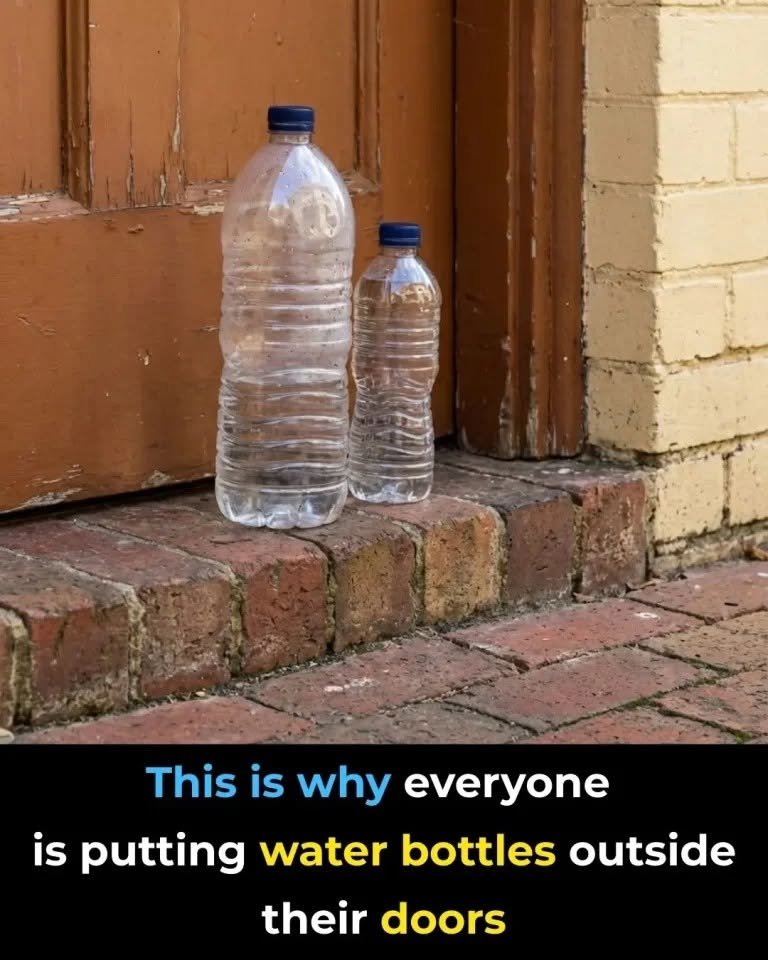
- Clean up immediately: Rinse or spray the area with water or a mild, pet-safe cleaner to remove scents that encourage repeat marking.
- Use repellents: Pet-safe sprays or gels can consistently discourage marking.
- Install barriers: Low fences, thorny plants, or shrubs make walls harder to access.
- Try motion-activated deterrents: Devices that emit water sprays, sounds, or lights can startle animals before they mark.
- Supervise and train pets: When possible, guide pets to appropriate areas and discourage them from approaching off-limit spaces.
Though these methods require more effort than placing a bottle, they deliver measurable and consistent results.
Why the Bottle Trick Persists
If it doesn’t really work, why do people keep doing it? Several reasons explain its popularity:
- Simplicity: Fill a bottle with water and leave it—no skill required.
- Placebo effect: Homeowners feel like they’re doing something proactive, even if results are coincidental.
- Tradition: The idea spreads through neighbors and communities—“it must work because everyone does it.”
- Harmlessness: It seems safe and inexpensive, so people think, “Why not try it?”
The Bottom Line
Water bottles outside homes are a quirky, low-cost attempt to prevent animal marking—but there’s no proof they actually work. For real results, rely on cleaning, repellents, barriers, or deterrent devices.
The bottle method persists largely because it’s simple, harmless, and visually “logical,” but if you’re serious about keeping pets away, proactive strategies will serve you far better.
For Complete Cooking STEPS Please Head On Over To Next Page Or Open button (>)

Why Do Potatoes Turn Green and Can We Still Eat Them?

Marinated Cucumbers, Onions, and Tomatoes

This One Superfood Could Tackle Major Health Issues—Here’s What You Need To Know

Maryann Stoit Here s a simple and delicious

Over 200 People Are Killed By The “World’s Deadliest Food” Every Year, But Almost 500 Million People Still Eat It