4. Make sure your pan is actually bare aluminum
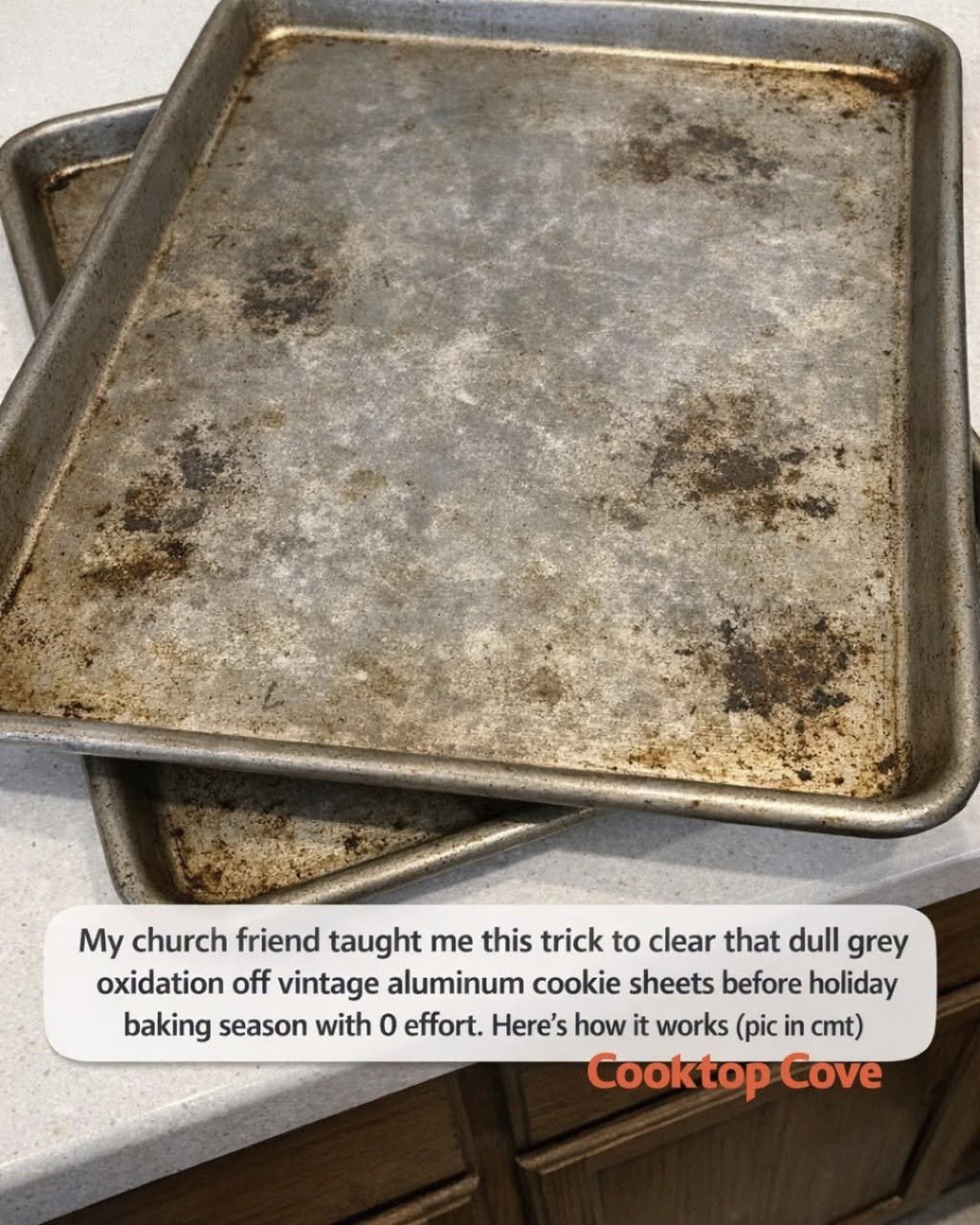
This matters more than people think. The trick works best on uncoated aluminum. If your cookie sheet has a nonstick coating, a dark grey or black finish, or a clearly labeled anodized surface, skip this method or test a tiny corner first. Acid can affect finishes differently, and you do not want to damage a coated pan trying to brighten it.
My older pans are the classic silver aluminum kind, with no coating at all, just years of use and that familiar grey cast. If you are not sure, look for worn silver metal rather than a slick nonstick surface. Bare aluminum tends to feel more raw and matte, especially once it has aged.
5. Wash off grease first
Before the soak, wash the pan with hot water, dish soap, and a soft sponge. This takes off butter residue, old cooking spray, and any flour dust that could block the vinegar solution from reaching the oxidized surface evenly.
I usually spend about 2 minutes on this step, not 20. The goal is not to polish the pan first. You just want it free from obvious grime.
If there is a baked-on patch from roasted vegetables or burnt cookie overflow, I remove that separately so I can see what is oxidation and what is food residue.
6. How to do the soak step by step
Plug the sink and set the cookie sheet inside. Pour in 4 cups white vinegar, then add about 12 cups very hot water, or enough to fully cover the dull grey areas. If one side is worse than the other and your sink is shallow, soak one side first for 20 to 30 minutes, then flip it and repeat.
If the oxidation is mild, 15 minutes may be enough. For heavier dullness on older pans, I usually let it sit 30 to 45 minutes. During that time, I leave it alone. That is why this method really does feel like “0 effort.” The work is mostly waiting while the solution does the heavy lifting.
7. What to expect while it works
When I first tried this, I expected bubbling like a science fair volcano. It was much less dramatic than that. On my pans, the biggest sign was that the water started to look slightly cloudy, and the aluminum surface began to look more even and less chalky by the end of the soak.
Sometimes, if the oxidation is heavier, you may notice a grey residue that wipes onto your sponge afterward. That is normal. You are lifting off that oxidized surface film.
If the pan still looks patchy after the first soak, I do a second 20-minute round instead of attacking it with steel wool.
8. The easy wipe-down after soaking
After the soak, drain the solution and rinse the pan with warm water. Then use a soft sponge or a non-scratch scrubber to wipe the surface. Usually, this is the moment when the pan finally starts looking brighter. I am not scrubbing hard here. It is more like a firm wipe with a little repetition over the dullest spots.
For my church friend’s “no effort” version, this is the key point: if you have to scrub aggressively, the soak was either too short or the pan needs a second round. The point is to let chemistry do the work first.
I finish by washing once more with dish soap, then rinsing thoroughly so there is no vinegar smell left behind.
9. A good backup for stubborn spots: cream of tartar paste
On one of my oldest cookie sheets, there were a few deeper grey patches that did not fully lift after the soak. For those, I made a quick paste with 2 tablespoons cream of tartar and enough water, usually 1 to 2 teaspoons, to form a spreadable texture.
I rubbed that paste onto the spots with a soft cloth, let it sit for 10 minutes, and then rinsed it away. Cream of tartar is mildly acidic, so it can help with remaining oxidation without being as abrasive as harsher cleaners.
It took care of the last little stubborn areas without scratching the metal.
10. What not to use on vintage aluminum
I avoid steel wool, oven cleaner, bleach, and very harsh powdered abrasives on vintage aluminum cookie sheets. They may remove surface discoloration, but they can also scratch the metal badly, leave a rough texture, or create more uneven discoloration later.
I also avoid running older aluminum pans through the dishwasher. Dishwasher detergent is often too aggressive for bare aluminum and can leave it darker, chalkier, or spotted. If you want these pans to last another 20 years, hand-washing is the safer choice.
11. The difference between oxidation and baked-on stains
see continuation on next page
For Complete Cooking STEPS Please Head On Over To Next Page Or Open button (>)
My mother used to make this, and it was delicious.
Why My Grandmother Always Puts a Nail in the Onion – A Surprising Old Trick!
Are your hydrangeas dying off fast? Most get this wrong. Here’s how to revive them

Why Raw Green Onions Can Carry Hidden Risks—and How to Eat Them Safely
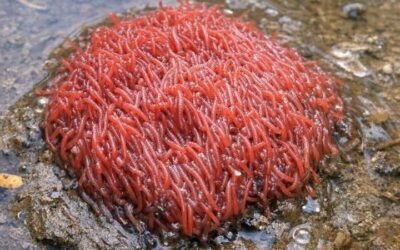
Found this disgusting pulsating red blob in a stagnant puddle near the hose. It looks like a piece of raw meat or an anemone, but it’s made of hundreds of tiny threads waving in the water. It retracts